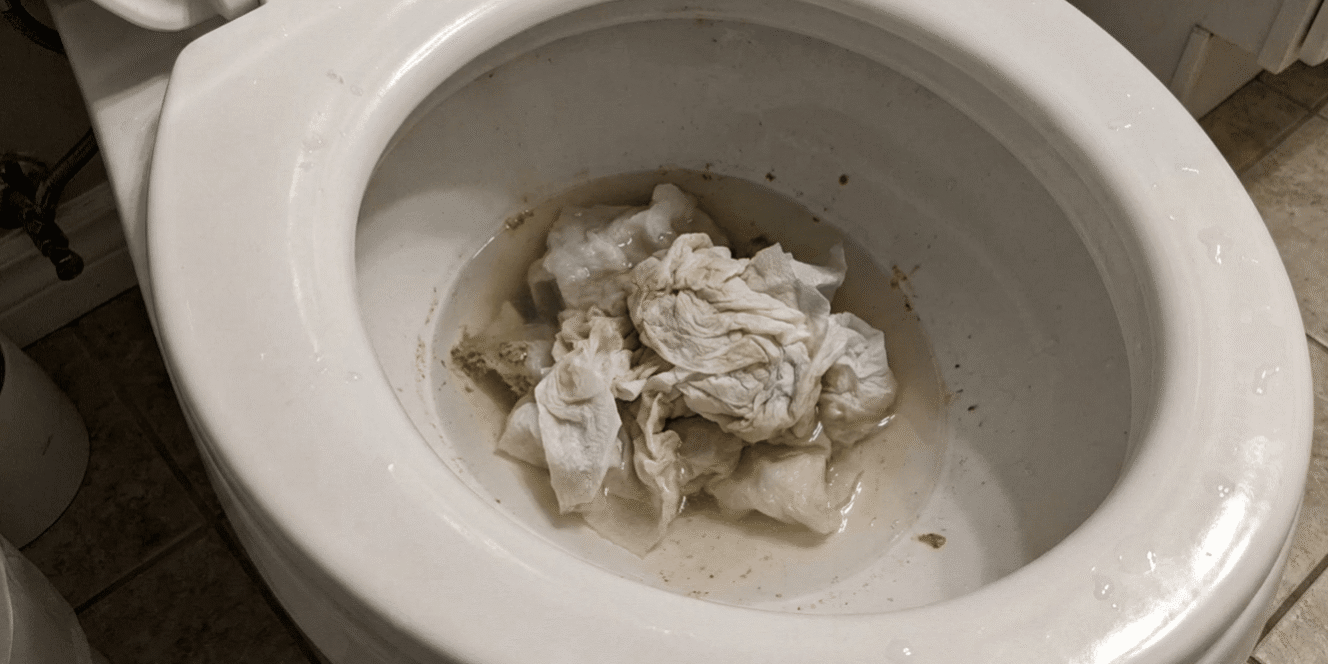
Think flushing paper towels down the toilet is harmless? You’re not alone. But you’re making a costly mistake that could damage your plumbing and hurt the environment.
Here’s what Sydney Water discovered: 75% of all sewer blockages involve wet wipes and similar products, with crews removing around 500 tons of these materials from the sewer system each year. Paper towels fall into this same problematic category.
The simple truth is that paper towels don’t dissolve like toilet paper. While toilet paper breaks down within seconds of hitting water, paper towels maintain their strength for much longer. Anything that takes longer than a minute to dissolve after flushing creates serious plumbing problems. Paper towels can take days, weeks, or even longer to break down in conventional waste systems, if they break down at all.
But here’s what makes this problem bigger than just your own pipes: when paper towels accumulate in your septic system, they cause blockages that can back up into your home. When they clog municipal sewer lines, the consequences get even worse. Sewage overflows dump untreated wastewater into rivers, lakes, and oceans.
So what should you do instead? This article breaks down exactly why paper towels spell trouble for toilets, what happens when you flush them anyway, how to fix the problem if you’ve already made this mistake, and the right ways to dispose of them. Your pipes and your wallet will thank you for learning these straightforward facts.
Why Paper Towels Don’t Belong in Toilets
Paper towels and toilet paper might look similar on the surface, but their construction makes all the difference when it comes to what goes down your drain. The manufacturing process behind each product determines whether it dissolves safely or creates expensive blockages.
How paper towels are made
Do paper towel manufacturers design their products to be strong and absorbent? which creates exactly the opposite qualities you want for flushing. The manufacturing process uses “through-air drying” technology that creates a more durable paper structure compared to standard toilet paper.
What really makes paper towels problematic is the wet-strength resins added during production. These chemical additives specifically prevent paper towels from falling apart when they get wet. This allows them to scrub surfaces and absorb large spills without disintegrating. Excellent for cleaning your kitchen bench, terrible for your plumbing system.
Why don’t they break down like toilet paper?
Toilet paper manufacturers take the opposite approach. They deliberately engineer their products to disintegrate quickly in water, breaking apart almost immediately when flushed, so they move easily through pipes.
Paper towels maintain their structural integrity when wet, creating serious problems in plumbing systems. Here’s what makes them different:
- Fibre length: Paper towels use longer fibres that resist breaking down
- Chemical binders: Additives prevent disintegration even after extended water exposure
- Thickness: Denser construction compared to toilet paper’s lighter build
- Processing methods: Toilet paper undergoes specific mechanical processes to ensure quick separation
These structural differences explain why paper towels often remain intact even after sitting in water for days, long enough to create significant blockages in your pipes.
Can you flush tissues or wipes instead?
What about facial tissues as an alternative? Unfortunately, they’re manufactured with similar wet-strength resins, making them nearly as problematic as paper towels for your plumbing system.
Wet wipes present an even bigger issue. Despite marketing claims about being “flushable,” most wipes don’t disintegrate quickly enough for Australian plumbing systems. They’ve become a major source of sewer blockages across the country, contributing to those expensive municipal cleanup costs we mentioned earlier.
The reality is simple: toilet paper remains the only paper product specifically designed for flushing. Everything else, like paper towels, tissues, and wet wipes, belongs in the trash bin. This straightforward habit protects your plumbing system and prevents the costly repairs that inevitably follow when non-flushable items go down the toilet.
What Happens When You Flush Paper Towels
That paper towel you just flushed isn’t simply disappearing down the drain. Instead, it’s creating a cascade of problems that start in your bathroom and can end up affecting your entire community’s wastewater system.
Clogged pipes and blocked drains
Paper towels don’t break apart like toilet paper. They’re built to stay strong when wet. Once flushed, they form clumps that latch onto pipe walls, creating perfect catch points for other debris. Over time, these clumps grow larger, gradually restricting water flow until you’re dealing with a complete blockage that needs professional attention.
Watch for these warning signs that paper towels are causing problems:
- Toilets that drain slowly or won’t flush completely
- Strange gurgling noises are coming from your drains
- Toilets or floor drains that suddenly overflow
- Unpleasant odours wafting from plumbing fixtures
The real trouble is that these blockages typically form deep inside your plumbing system, well beyond the reach of a standard plunger. Once the pipes are blocked, wastewater has nowhere to go except back up into your home. Creating unsanitary conditions and potentially expensive water damage.
Septic system complications
Got a septic system? Paper towels create even bigger headaches. Septic tanks are engineered to handle human waste and toilet paper, not heavy-duty absorbent materials.
Paper towels absorb water instead of dissolving in it, which means they just sit in your septic tank, taking up space. This unnecessary buildup forces your system to work harder and raises the sludge layer much faster than normal. Eventually, these accumulated materials can push solids into your drain field, compromising your entire septic system’s ability to function properly.
Impact on municipal sewage systems
The problems don’t stop at your property line. When paper towels reach municipal sewage systems, they team up with fats, oils, and grease to create massive blockages called “fatbergs”. These concrete-hard masses can completely block sewer lines, requiring expensive equipment and extensive labour to remove.
Australian councils spend millions each year fixing wastewater systems damaged by items that should never have been flushed. Some regions report spending thousands of dollars on preventable maintenance costs caused by paper towels and similar products. When these blockages cause sewage overflows, untreated wastewater spills into our rivers, lakes, and oceans, threatening public health and damaging local ecosystems.
What to Do If You Already Flushed One
Already made the mistake? Don’t panic. Quick action can save you from a costly plumbing emergency.
Check for signs of a clog
Your toilet will tell you if the towel is causing trouble. Watch for these warning signs: slow-draining toilets, unusual gurgling sounds, and foul odours coming from your toilet bowl. When your toilet drains unusually slowly after flushing, the sheet is likely restricting water flow. Need to plunge repeatedly? That’s a clear sign the blockage sits deeper in your pipes.
Use a plunger or plumbing snake
Most paper towel clogs respond well to the right tools and techniques. Start with a flange-style plunger designed specifically for toilets. Make sure there’s enough water in the bowl to cover the plunger head, create a tight seal, and pump firmly for 20-30 seconds.
Still blocked? Time for a toilet auger (plumbing snake) to reach deeper into the drain. Insert the auger gently into the toilet bowl drain, then crank the handle until you feel resistance.
When to call a plumber
Some situations require professional expertise. If plunging and snaking don’t clear the blockage, or if multiple plumbing fixtures start backing up simultaneously, contact a professional immediately. Excessive force with DIY methods can damage pipes or crack porcelain—repairs that cost far more than a service call.
Dealing with persistent plumbing issues after flushing paper towels? Water Smart Plumbing provides professional plumbing services and expert advice to get your system running properly again.
Better Ways to Dispose of Paper Towels
Understanding the proper disposal methods protects your plumbing system while supporting environmental responsibility. Here are the safe, effective alternatives.
Throwing them in the trash
Your regular rubbish bin remains the safest destination for used towels. This straightforward approach eliminates any risk to your plumbing or septic system.
Paper towels cannot be recycled due to their short fibre composition and typical contamination from use. Placing them in recycling bins actually contaminates entire paper bales, creating additional waste processing problems. The trash bin handles them properly without causing downstream issues.
Composting when safe
Clean, unbleached paper towels make excellent compost material when handled correctly. They break down within 2-6 weeks under optimal conditions, contributing valuable organic matter to your soil.
Safe for composting:
- Paper towels are used for cleaning water spills
- Towels that are wiped down clean surfaces
- Unbleached varieties without chemical treatments
Never compost:
- Towels contaminated with oils, meats, or bodily fluids
- Chemically treated or heavily soiled paper towels
- Towels used with cleaning products
Tear paper towels into smaller pieces before adding them to your compost bin—this accelerates decomposition and improves mixing with other organic materials.
Switching to reusable alternatives
Long-term solutions reduce waste while saving money on repeated purchases:
- Cotton cloths wash easily and handle most cleaning tasks
- Swedish dishcloths offer 200+ uses before composting
- Bamboo paper towels provide biodegradable options from renewable sources
These alternatives perform the same cleaning functions while eliminating disposal concerns. Many Australian households find that switching to reusable options cuts their paper towel expenses significantly over time.
Conclusion
Paper towels and toilets simply don’t mix. That much should be clear by now. What looks like a harmless convenience actually creates expensive problems that reach far beyond your bathroom.
The solution is straightforward: treat your trash bin as the paper towel’s proper home. Clean, unbleached towels can go in your compost if they haven’t touched chemicals or grease. Better yet, switch to cotton cloths or bamboo alternatives that save money and reduce waste.
Already flushed one by mistake? A good plunger often fixes the problem before it gets worse. When DIY methods fail or you’re dealing with recurring issues, Water Smart Plumbing provides professional plumbing services that get your system back on track.
This isn’t about perfect behaviour, it’s about smart choices that protect your property and community infrastructure. One small habit change prevents blocked pipes, septic system failures, and the costly repairs that follow.
Your plumbing will last longer, your bills will stay lower, and Australia’s wastewater systems will function better. That’s a solid return on investment for something as simple as reaching for the bin instead of the flush handle.
Key Takeaways
Understanding proper paper towel disposal can save you from costly plumbing disasters and protect municipal water systems.
- Never flush paper towels – they’re designed with wet-strength resins that prevent breakdown, unlike toilet paper which dissolves quickly • Paper towel clogs cause expensive damage – they create blockages in pipes, septic systems, and municipal sewage that require professional repair • Use a plunger immediately if you accidentally flush one – quick action can prevent deeper blockages before calling a plumber • Dispose in trash or compost safely – unbleached towels without chemicals can be composted, otherwise use regular garbage bins • Switch to reusable alternatives – cotton cloths or bamboo paper towels reduce waste and save money long-term
The simple habit of proper disposal protects your plumbing system and prevents 75% of sewer blockages caused by non-flushable items, saving both your wallet and the environment from unnecessary damage.